Why Is Air Purification Coconut Shell Activated Carbon Essential for Cleaner Indoor Air?
Indoor air quality has become one of the most important concerns for homes, offices, hospitals, factories, and commercial facilities. From harmful gases and unpleasant odors to volatile organic compounds and smoke pollution, contaminated air can directly affect comfort, health, productivity, and equipment performance. Air Purification Coconut Shell Activated Carbon has emerged as one of the most effective and eco-friendly solutions for modern air filtration systems because of its exceptional adsorption capacity, renewable raw materials, and superior microporous structure.
Article Summary
This comprehensive guide explains how Air Purification Coconut Shell Activated Carbon works, why it outperforms many traditional filtration materials, and how it can solve common air quality problems in residential, industrial, and commercial environments. You will learn about its production process, advantages, applications, selection methods, maintenance tips, and long-term value. Whether you are searching for odor removal solutions, VOC control, smoke filtration, or industrial air purification materials, this article provides practical and detailed insights to help you make informed decisions.
Table of Contents
- 1. What Is Air Purification Coconut Shell Activated Carbon?
- 2. Why Is Coconut Shell Activated Carbon Popular in Air Filtration?
- 3. How Does Activated Carbon Remove Air Pollutants?
- 4. What Makes Coconut Shell Carbon Better Than Other Materials?
- 5. Where Is Air Purification Activated Carbon Commonly Used?
- 6. Which Air Pollutants Can Be Removed Effectively?
- 7. How to Choose High-Quality Activated Carbon?
- 8. What Are the Main Benefits for Industrial Applications?
- 9. How to Maintain Activated Carbon Filtration Systems?
- 10. Why Is Sustainability Important in Modern Air Purification?
- 11. Frequently Asked Questions
- 12. Final Thoughts
1. What Is Air Purification Coconut Shell Activated Carbon?
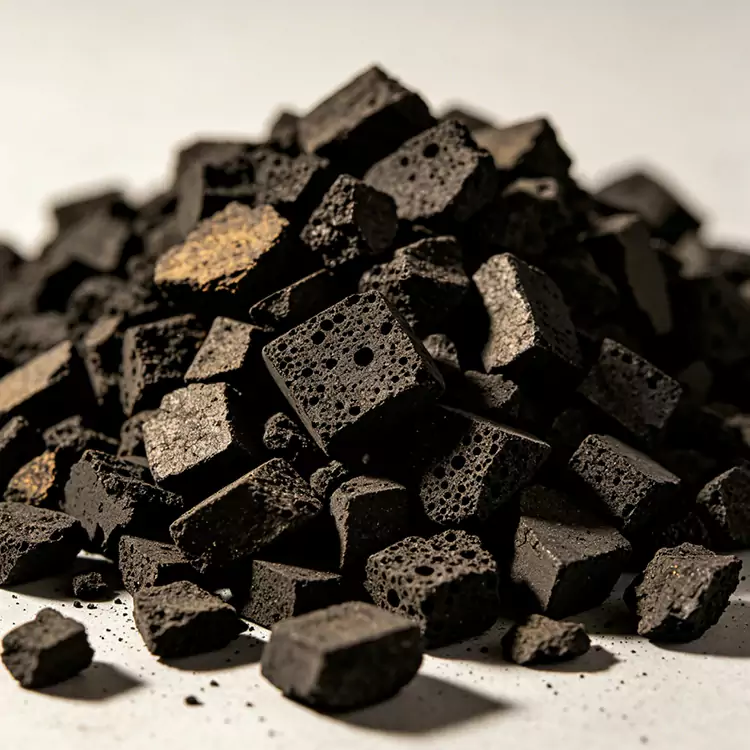
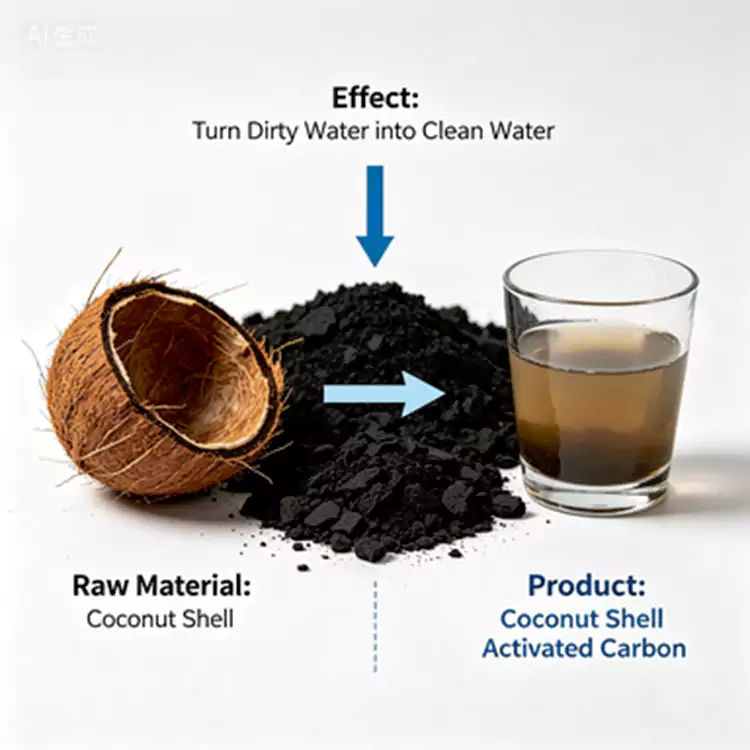
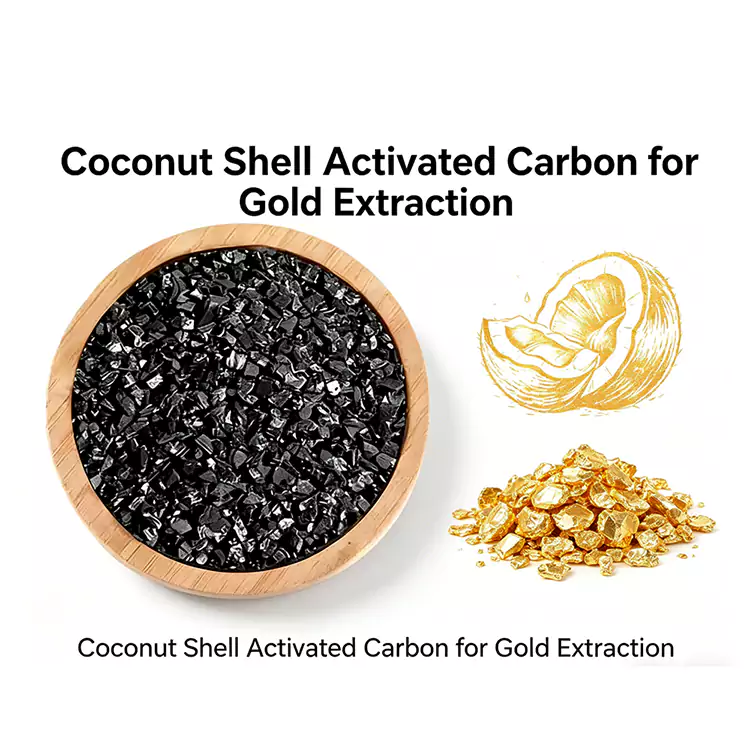
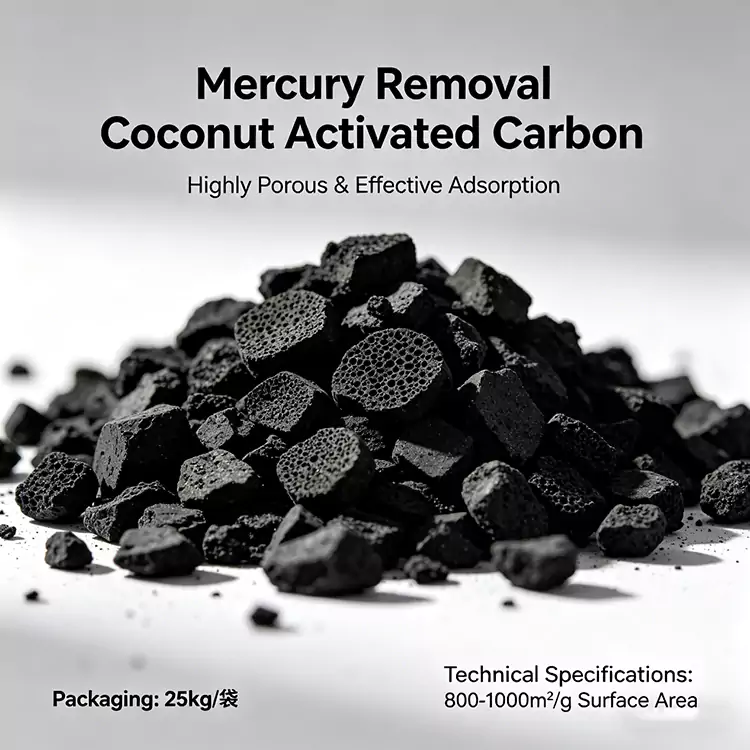
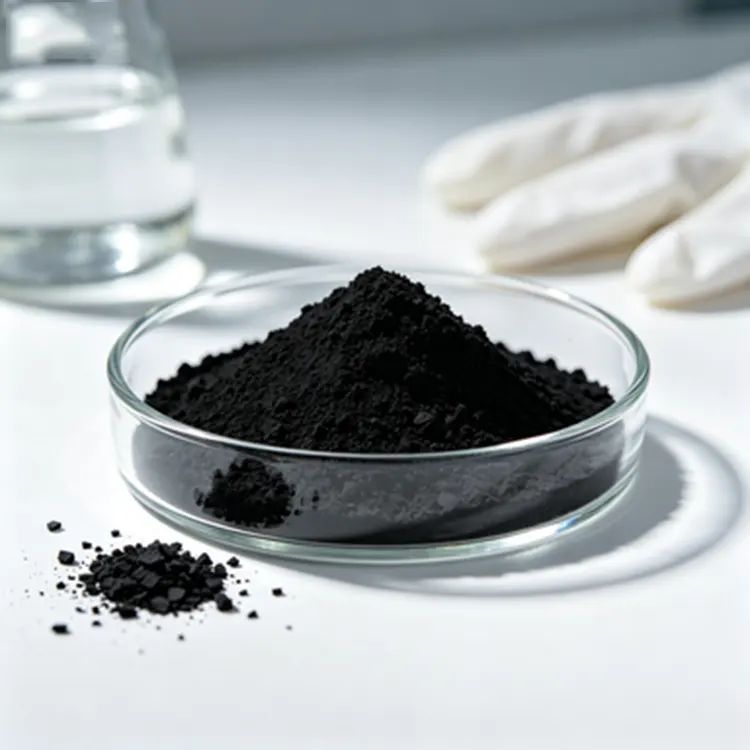
Air Purification Coconut Shell Activated Carbon is a highly porous adsorbent material manufactured from natural coconut shells through carbonization and activation processes. The material contains an enormous internal surface area filled with microscopic pores that can trap contaminants from the air.
Unlike ordinary charcoal, activated carbon undergoes specialized treatment that dramatically increases its adsorption capacity. Coconut shell-based activated carbon is especially valued because its microporous structure is ideal for capturing small molecular pollutants commonly found in indoor and industrial environments.
Coconut shell activated carbon is widely recognized for:
- High hardness and durability
- Excellent adsorption performance
- Low dust generation
- Long service life
- Environmentally friendly raw materials
- Superior odor and gas removal capability
As air quality regulations become stricter worldwide, industries and consumers increasingly prefer coconut shell activated carbon for efficient and sustainable filtration performance.
2. Why Is Coconut Shell Activated Carbon Popular in Air Filtration?
The popularity of coconut shell activated carbon comes from its balance of efficiency, sustainability, and versatility. Compared with coal-based or wood-based activated carbons, coconut shell varieties provide higher micropore volume and better adsorption of low molecular weight contaminants.
Many indoor air pollutants are invisible and difficult to remove using standard mechanical filters alone. Airborne chemicals, cooking odors, smoke particles, formaldehyde, benzene, and VOCs require adsorption technology rather than simple particle filtration.
| Feature | Coconut Shell Activated Carbon | Coal-Based Carbon | Wood-Based Carbon |
|---|---|---|---|
| Micropore Structure | Excellent | Moderate | Lower |
| Hardness | Very High | Medium | Low |
| Dust Production | Low | Moderate | Higher |
| Odor Removal | Excellent | Good | Moderate |
| Sustainability | Renewable | Non-renewable | Renewable |
These characteristics make coconut shell activated carbon highly suitable for premium air purification systems.
3. How Does Activated Carbon Remove Air Pollutants?
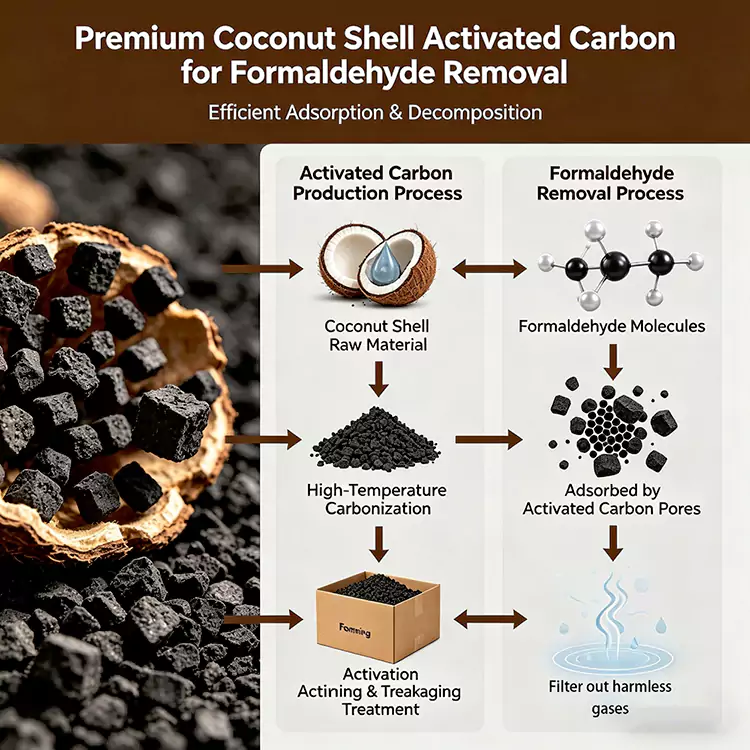
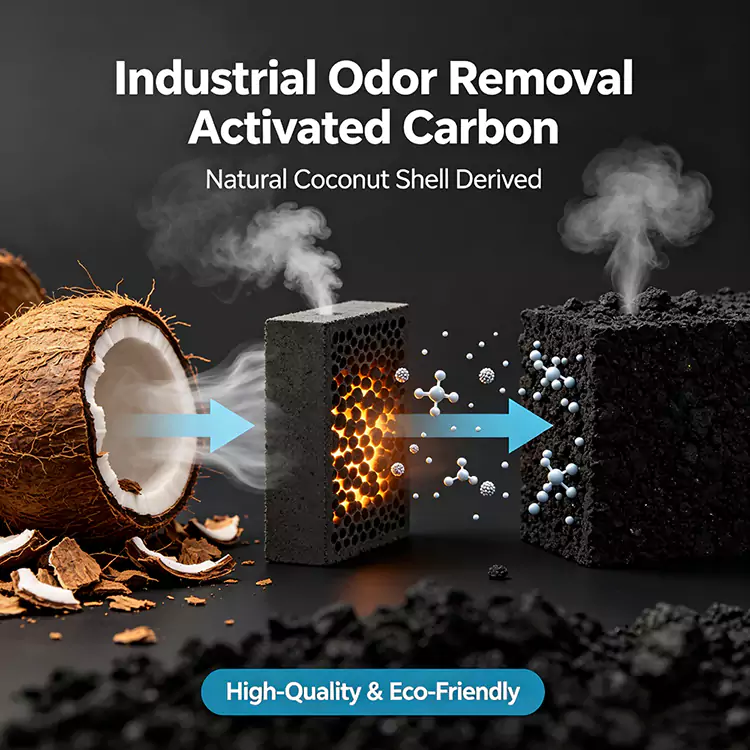
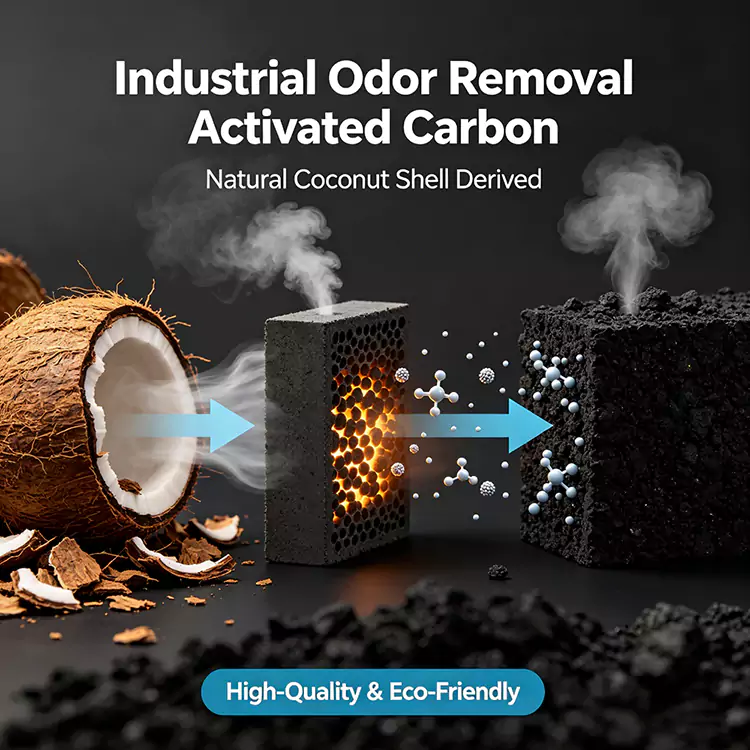
Activated carbon works through a process called adsorption. Unlike absorption, where substances penetrate into materials, adsorption traps contaminants on the surface of the activated carbon pores.
The millions of microscopic pores create a massive surface area capable of capturing gases, odors, smoke compounds, and airborne chemicals. Some activated carbons can achieve surface areas exceeding 1000 square meters per gram.
Common pollutants captured through adsorption include:
- Volatile organic compounds (VOCs)
- Formaldehyde
- Ammonia
- Sulfur compounds
- Tobacco smoke
- Kitchen odors
- Industrial exhaust gases
- Automotive emissions
This adsorption mechanism allows activated carbon filtration systems to improve indoor air quality significantly in both residential and industrial applications.
4. What Makes Coconut Shell Carbon Better Than Other Materials?
One major advantage of coconut shell activated carbon is its exceptionally high microporosity. This structure is particularly effective for trapping smaller contaminants and gases.
Another key benefit is mechanical strength. Coconut shell carbon particles are harder and more resistant to abrasion compared with many alternative materials. This means less dust production, lower replacement frequency, and more stable performance.
The renewable nature of coconut shells also makes the product environmentally responsible. Coconut shells are agricultural byproducts that would otherwise become waste materials.
| Advantage | Customer Benefit |
|---|---|
| High Adsorption Capacity | Improved air purification efficiency |
| Strong Mechanical Hardness | Longer operational lifespan |
| Low Ash Content | Cleaner filtration systems |
| Renewable Source Material | Reduced environmental impact |
| Excellent Odor Control | Enhanced indoor comfort |
These features explain why high-end air purification manufacturers increasingly choose coconut shell activated carbon as their preferred filtration medium.
5. Where Is Air Purification Activated Carbon Commonly Used?
Air Purification Coconut Shell Activated Carbon is used across many industries and environments because air contamination is a universal concern.
Typical applications include:
- Residential air purifiers
- HVAC systems
- Industrial gas treatment
- Hospital ventilation systems
- Automotive cabin filters
- Smoke removal equipment
- Kitchen exhaust purification
- Laboratory air filtration
- Waste treatment facilities
- Commercial buildings
In residential environments, activated carbon helps create healthier living spaces by reducing odors and harmful chemicals. In industrial settings, it helps facilities comply with environmental regulations and improve workplace safety.
Modern smart buildings also integrate activated carbon filtration systems to improve occupant comfort and productivity.
6. Which Air Pollutants Can Be Removed Effectively?
Different pollutants require different filtration approaches. While HEPA filters are excellent for particulate matter, activated carbon specializes in gases and odors.
Air Purification Coconut Shell Activated Carbon is particularly effective against chemical pollutants and unpleasant smells that traditional filters cannot remove efficiently.
| Pollutant Type | Removal Effectiveness | Common Sources |
|---|---|---|
| Formaldehyde | Excellent | Furniture, paints, adhesives |
| VOCs | Excellent | Cleaning products, coatings |
| Smoke Odors | Excellent | Tobacco, cooking, fire damage |
| Ammonia | Good | Industrial processes |
| Benzene | Excellent | Fuel emissions |
| Sulfur Compounds | Very Good | Industrial exhaust |
Combining activated carbon with HEPA technology creates a more complete air purification solution capable of handling both particles and gases simultaneously.
7. How to Choose High-Quality Activated Carbon?
Selecting the right activated carbon is critical for achieving effective air purification results. Not all activated carbon products offer the same performance.
Customers should evaluate several technical factors before purchasing.
- Iodine value and adsorption capacity
- Pore size distribution
- Hardness and durability
- Particle size consistency
- Moisture content
- Ash content
- Application-specific compatibility
A trusted supplier can also provide technical support and customized solutions based on different environmental conditions and filtration requirements.
Wimica (Hebei) Industrial Co., Ltd. focuses on delivering reliable activated carbon products designed for stable performance, efficient purification, and long operational life across multiple industries.
8. What Are the Main Benefits for Industrial Applications?
Industrial facilities often face complex air pollution challenges involving chemicals, odors, dust, and hazardous gases. Coconut shell activated carbon offers flexible solutions for industrial-scale purification systems.
Manufacturers benefit from improved workplace conditions, reduced odor complaints, and better compliance with environmental standards.
| Industrial Benefit | Operational Impact |
|---|---|
| VOC Removal | Improved environmental compliance |
| Odor Reduction | Better workplace conditions |
| Long Service Life | Reduced maintenance costs |
| High Mechanical Strength | Stable system performance |
| Efficient Gas Adsorption | Cleaner emissions |
Industries such as chemical manufacturing, food processing, pharmaceuticals, electronics, and waste treatment rely heavily on activated carbon filtration systems for operational safety and air quality management.
9. How to Maintain Activated Carbon Filtration Systems?
Proper maintenance is essential for ensuring long-term filtration efficiency. Over time, activated carbon pores become saturated with pollutants and gradually lose adsorption capacity.
Regular monitoring and replacement schedules help maintain optimal performance.
Recommended maintenance practices include:
- Monitor pressure drop regularly
- Replace saturated carbon on schedule
- Prevent excessive moisture exposure
- Use pre-filters to reduce dust loading
- Store unused carbon in sealed containers
- Inspect airflow performance periodically
In industrial systems, professional testing can determine when activated carbon requires replacement to avoid performance decline.
10. Why Is Sustainability Important in Modern Air Purification?
Environmental responsibility is becoming increasingly important in manufacturing and building management. Coconut shell activated carbon supports sustainable practices because it utilizes renewable agricultural waste materials.
Compared with fossil-fuel-based alternatives, coconut shell carbon offers a lower environmental footprint while maintaining excellent purification performance.
Many organizations now prioritize environmentally responsible filtration materials as part of their long-term sustainability goals.
Sustainability advantages include:
- Renewable raw material source
- Reduced agricultural waste
- Long operational lifespan
- Lower environmental impact
- Energy-efficient adsorption performance
This combination of efficiency and sustainability makes coconut shell activated carbon a preferred choice for future-focused air purification systems.
11. Frequently Asked Questions
Q1: How long does coconut shell activated carbon last?
The lifespan depends on pollutant concentration, airflow, humidity, and operating conditions. In many air purification systems, activated carbon can remain effective for several months before replacement is necessary.
Q2: Can activated carbon remove bacteria and viruses?
Activated carbon mainly removes gases, odors, and chemical pollutants. For biological contaminants, it is commonly combined with HEPA or antimicrobial filtration systems.
Q3: Is coconut shell activated carbon safe for indoor use?
Yes. High-quality coconut shell activated carbon is widely used in residential and commercial air purification systems because it is stable and safe when used correctly.
Q4: Why does activated carbon eventually stop working?
The adsorption pores gradually become saturated with pollutants. Once the surface area is fully occupied, replacement or regeneration is required.
Q5: Can activated carbon remove cigarette smoke smell?
Yes. Coconut shell activated carbon is highly effective at adsorbing smoke-related odors and chemical compounds.
Q6: What industries commonly use activated carbon?
Industries including pharmaceuticals, chemicals, food processing, electronics, waste treatment, automotive manufacturing, and healthcare use activated carbon extensively.
12. Final Thoughts
Air quality directly impacts human health, comfort, productivity, and industrial performance. As pollution challenges continue to increase, Air Purification Coconut Shell Activated Carbon provides an efficient, reliable, and environmentally responsible solution for modern filtration systems.
Its high adsorption capacity, strong durability, renewable raw materials, and superior odor control capabilities make it one of the most valuable materials in the air purification industry today.
Whether used in homes, offices, industrial facilities, or specialized ventilation systems, coconut shell activated carbon helps create cleaner and safer indoor environments while supporting long-term sustainability goals.
By choosing high-quality products from experienced suppliers like Wimica (Hebei) Industrial Co., Ltd., businesses and consumers can achieve stable purification performance and long-term operational value.
Looking for Reliable Air Purification Activated Carbon Solutions?
Wimica (Hebei) Industrial Co., Ltd. is committed to providing premium coconut shell activated carbon products designed for efficient air purification, industrial filtration, odor control, and environmental applications.
Our experienced team can help you select the right activated carbon specifications based on your project requirements and operational conditions. Contact us today.
Related News
- WIMICA Coconut Shell Activated Carbon: High-Efficiency, Sustainability, and Industry Excellence
- Why Choose our 1100 Iodine Value Coconut Shell Carbon for Gold Recovery?
- When inferior gold extraction carbon pushes mine TCO far above budget limits?
- How Does Coconut Shell Activated Carbon for Gold Mining Improve Gold Recovery Efficiency?
- How Does Coconut Shell Carbon for Water Filter Cartridge Improve Water Purification Performance?
- Why Pharmaceutical-Grade Coconut Shell Activated Carbon Is Essential for Modern Medical Sterile Systems?
Leave me a message