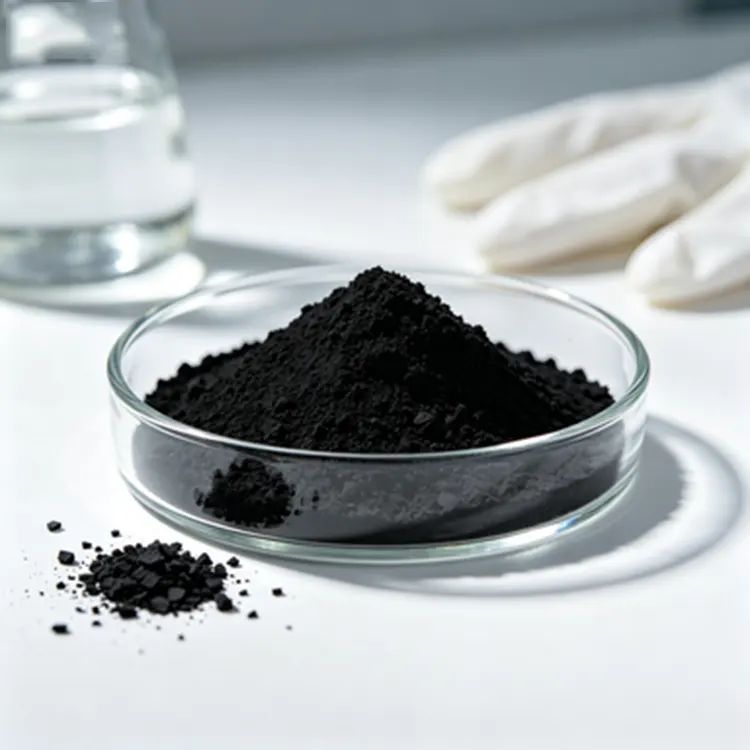
Professional Coconut Shell Activated Carbon for Food and Beverage Purification
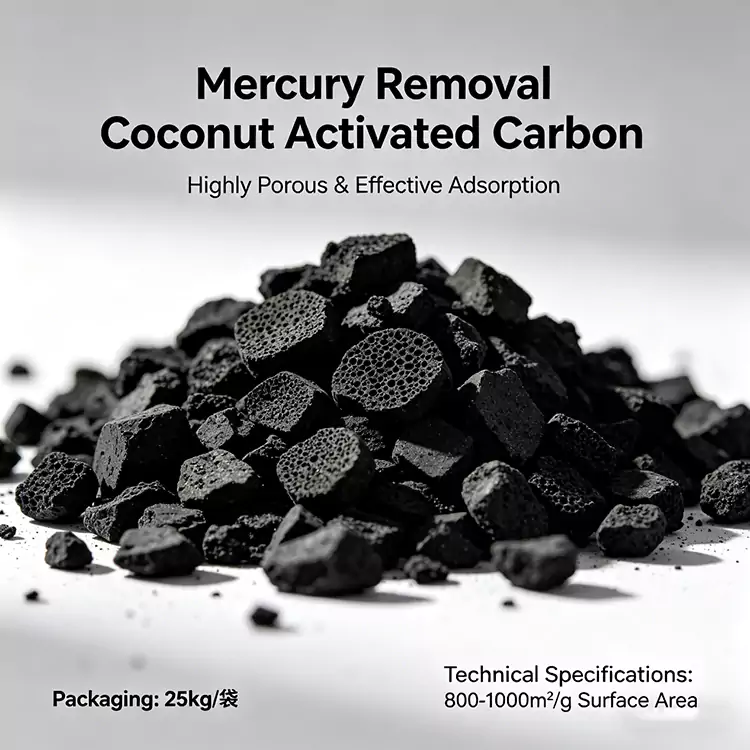
Food or Beverage Coconut Shell Activated Carbon stands as a critical component in modern purification processes across the global food and beverage industry. Derived from carefully selected coconut shells, this activated carbon undergoes a meticulous physical activation treatment using high-temperature steam, which develops an extensive network of micropores within its structure. The raw material itself is a renewable resource sourced predominantly from tropical regions where coconut cultivation thrives, and the carbonization process converts the shell into a char that is then activated to unlock superior adsorptive capabilities. Our Food or Beverage Coconut Shell Activated Carbon series includes products such as Edible Oil Decolorization Coconut Shell Carbon, Food Grade Coconut Shell Activated Carbon, and others.
For manufacturers and processors, the appeal lies in its ability to remove impurities without introducing any chemicals or off-flavors into the final product, a trait that sets it apart from other filtration media like wood-based or coal-based alternatives. The pore size distribution is engineered to target specific molecular weights, making it highly effective for decolorization, deodorization, and the removal of organic contaminants such as pesticides, mycotoxins, and disinfection byproducts. When you hold a glass of crystal-clear apple juice or taste a bottle of vodka with remarkable smoothness, there is a good chance that coconut shell activated carbon played a silent yet decisive role in that sensory experience.
Its low ash content, typically below 5%, ensures minimal leaching of soluble inorganics into the liquid stream, meeting stringent purity standards like those outlined in the Food Chemicals Codex and EU Regulation 1935/2004. The material also exhibits a neutral pH, which prevents unwanted chemical reactions that could alter the acidity or taste profile of sensitive beverages like white wine or citrus-based soft drinks. Over two decades of working with filtration systems, I have seen countless plants optimize their operations by switching to this specific grade of carbon, attributing gains not only in product quality but also in cartridge service life and backwash efficiency.
The mechanical hardness of coconut shell activated carbon, often exceeding 95% on the Ball-Pan Hardness scale, means less fines generation during handling and backwashing, which translates to lower pressure drops and longer operational cycles. Understanding these technical subtleties is what elevates a good filtration setup to a competitive advantage, and that is where the expertise of brands like WIMICA comes into sharp focus.
- View as
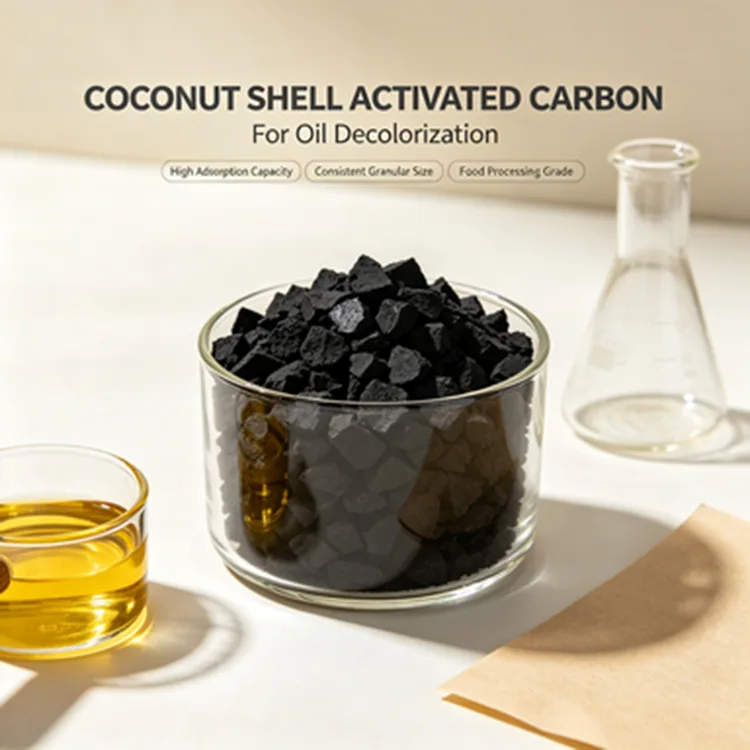
Oil Purification Coconut Shell Activated Carbon
Wimica (Hebei) Industrial Co., Ltd Edible Oil Purification Coconut Shell Activated Carbon supplier for bulk purchase and oil refining filtration. Our high-performance coconut shell carbon is designed for edible oil decolorization, removing pigments and impurities efficiently. Ideal for food processing industries seeking stable quality and long-term supply.
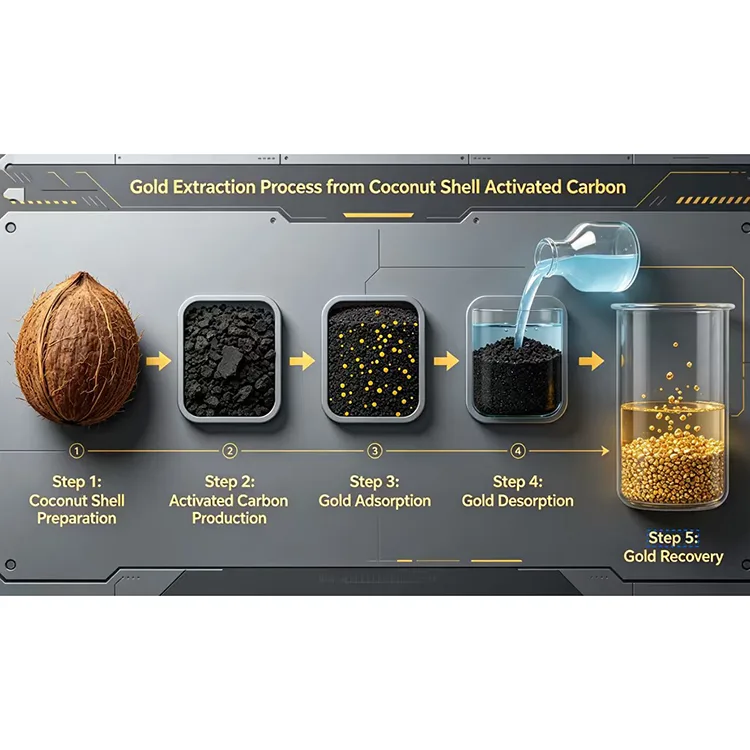
Coconut Shell Activated Carbon for Gold Recovery
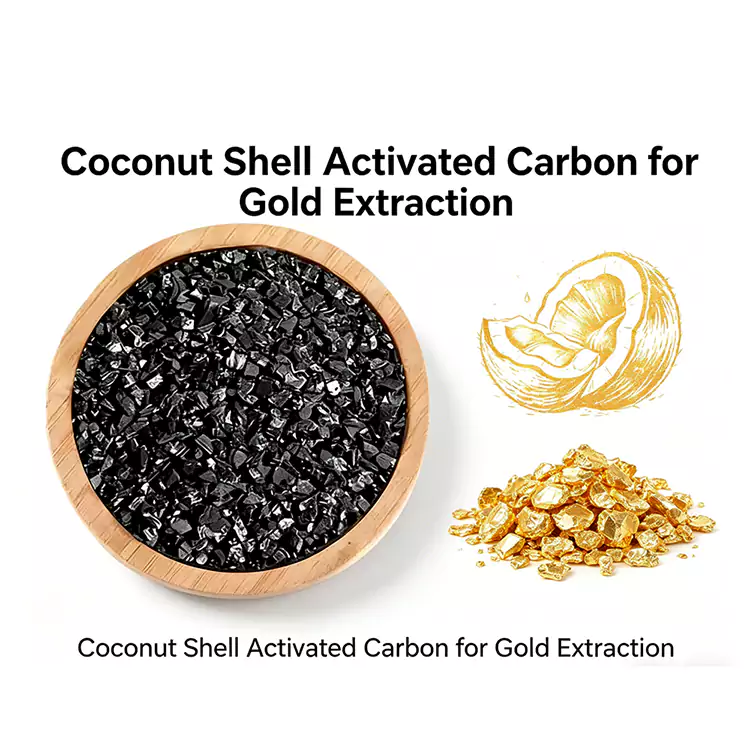
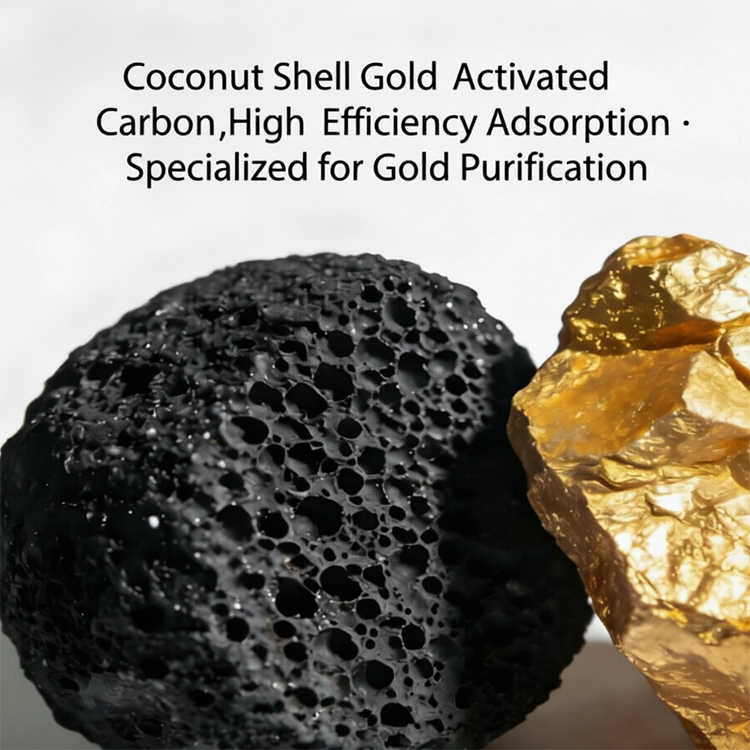
WIMICA Coconut Shell Activated Carbon for Gold Recovery is a premium-grade adsorption material manufactured from selected high-quality coconut shells. Designed for professional gold recovery applications, it is widely used in CIP (Carbon in Pulp) and CIL (Carbon in Leach) processes to efficiently adsorb dissolved gold from cyanide solutions. Manufactured by WIMICA (Hebei) Industrial Co., Ltd, a professional manufacturer and exporter, our activated carbon is produced under strict quality control to ensure stable performance, high hardness, low ash content, and excellent wear resistance.
With an iodine value ranging from 1000 to 1300 mg/g, hardness of no less than 98%, ash content below 3%, and carefully controlled particle sizes of4×8 6×12, 6×16, and 8×16 mesh, WIMICA coconut shell activated carbon provides reliable adsorption performance for gold mining operations worldwide. Every production batch is inspected before shipment to ensure consistent quality and dependable performance for mining companies, gold processing plants, and distributors.
With an iodine value ranging from 1000 to 1300 mg/g, hardness of no less than 98%, ash content below 3%, and carefully controlled particle sizes of4×8 6×12, 6×16, and 8×16 mesh, WIMICA coconut shell activated carbon provides reliable adsorption performance for gold mining operations worldwide. Every production batch is inspected before shipment to ensure consistent quality and dependable performance for mining companies, gold processing plants, and distributors.

Coconut Shell Activated Carbon for Food Processing
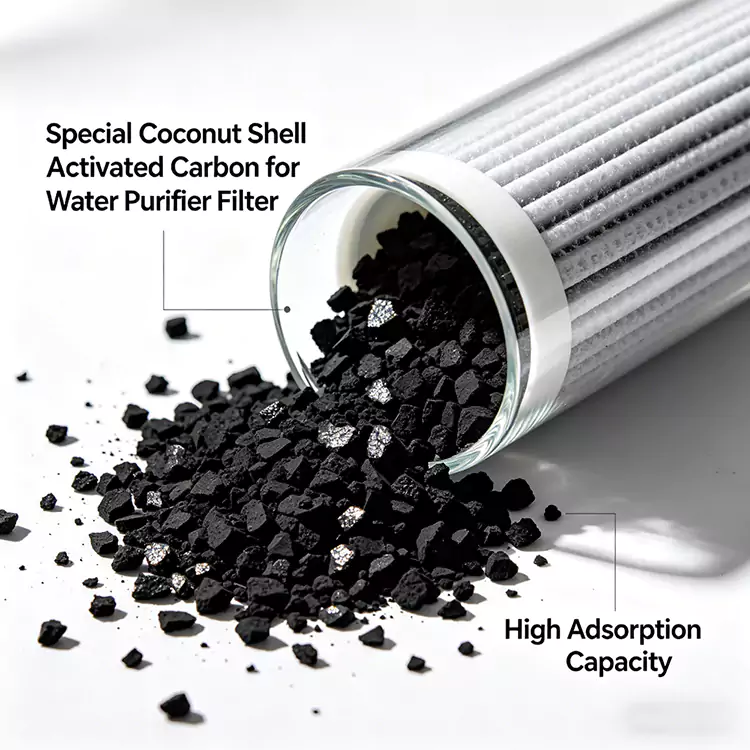
Wimica (Hebei) Industrial Co., Ltd Coconut Shell Activated Carbon for Food Processing supplier for bulk purchase and water purification solutions. Our high-quality coconut shell activated carbon is ideal for food processing, beverage filtration, and air purification. Stable performance, high adsorption capacity, and reliable supply for global buyers.
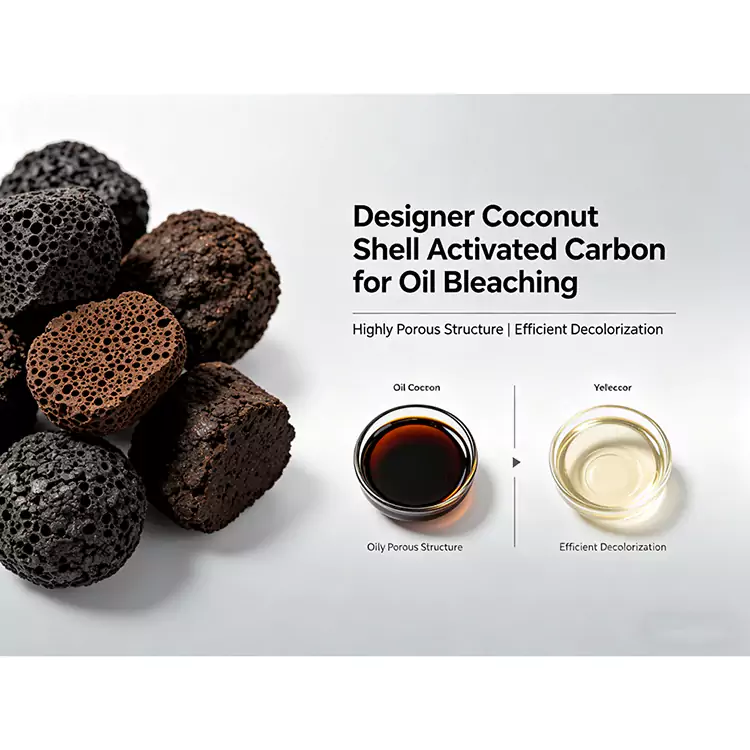
Edible Oil Decolorization Coconut Shell Carbon
Wimica (Hebei) Industrial Co., Ltd Edible Oil Decolorization Coconut Shell Carbon supplier for bulk purchase and oil refining filtration. Our high-performance coconut shell carbon is designed for edible oil decolorization, removing pigments and impurities efficiently. Ideal for food processing industries seeking stable quality and long-term supply.
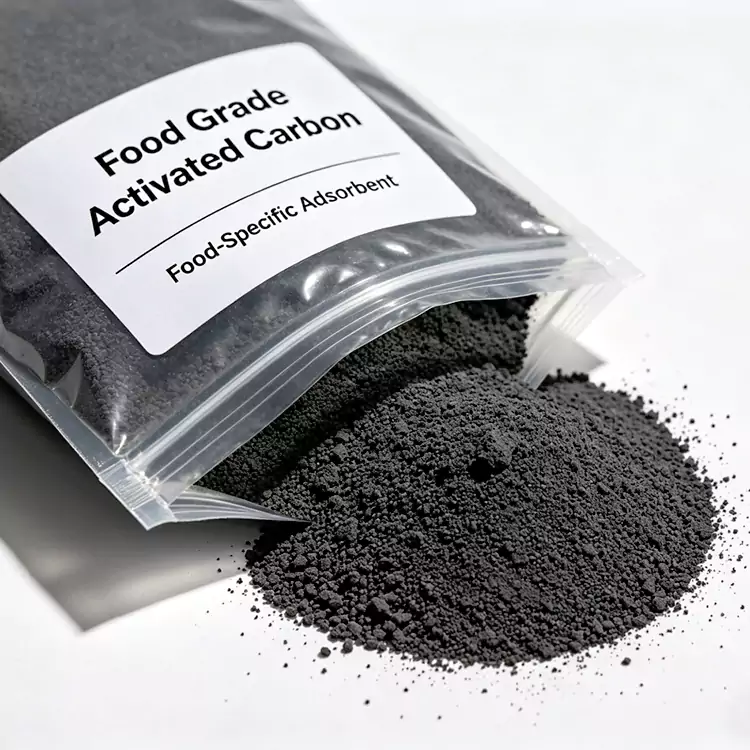
Food Grade Coconut Shell Activated Carbon
Wimica (Hebei) Industrial Co., Ltd Food Grade Coconut Shell Activated Carbon supplier for bulk purchase and water purification solutions. Our high-quality coconut shell activated carbon is ideal for food processing, beverage filtration, and air purification. Stable performance, high adsorption capacity, and reliable supply for global buyers.
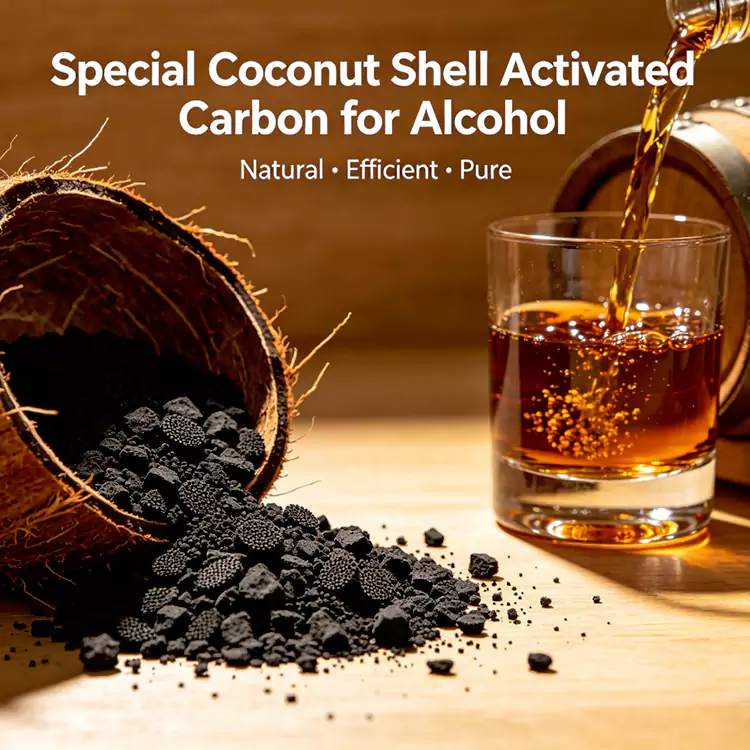
Coconut Shell Carbon for Liquor and Alcohol Purification
Wimica (Hebei) Industrial Co., Ltd. offers high-efficiency Coconut Shell Carbon for Liquor and Alcohol Purification designed for liquor and alcohol purification. Our product effectively removes impurities, odors, and harmful substances from alcohol, improving its purity and taste. It's widely used in various alcoholic beverages production.
As a reliable Food or Beverage Coconut Shell Activated Carbon manufacturer and supplier in China, we have custom options and volume discount pricing. Please just send us a quotation!