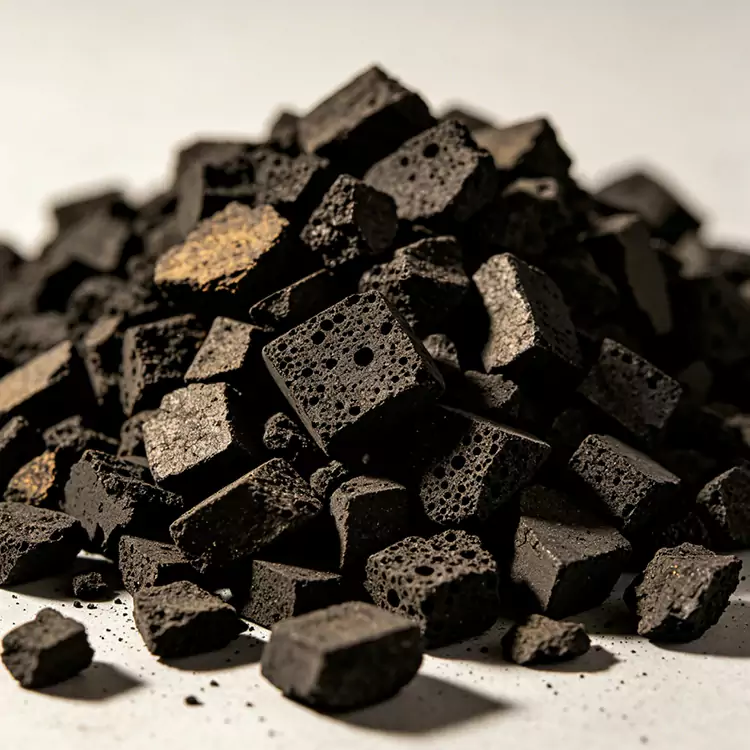
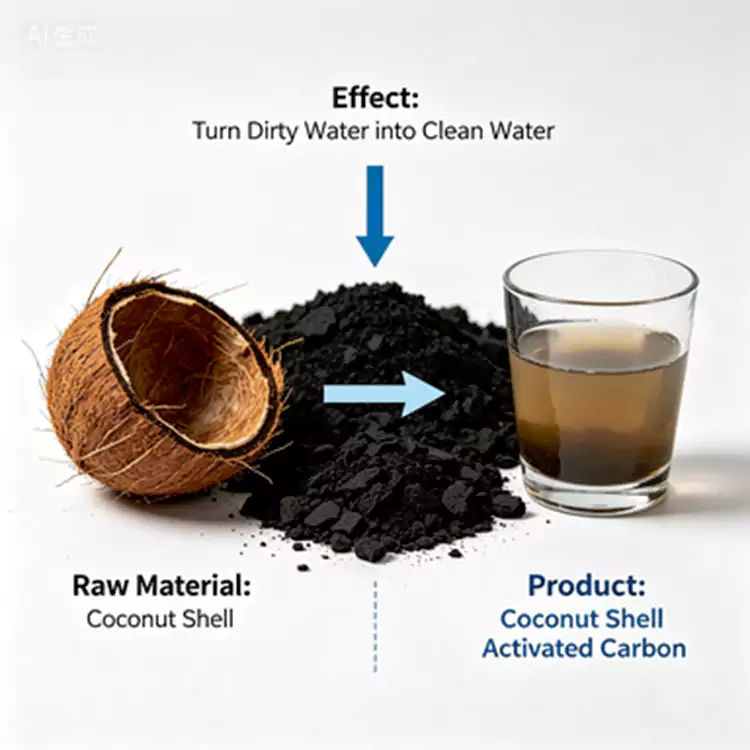
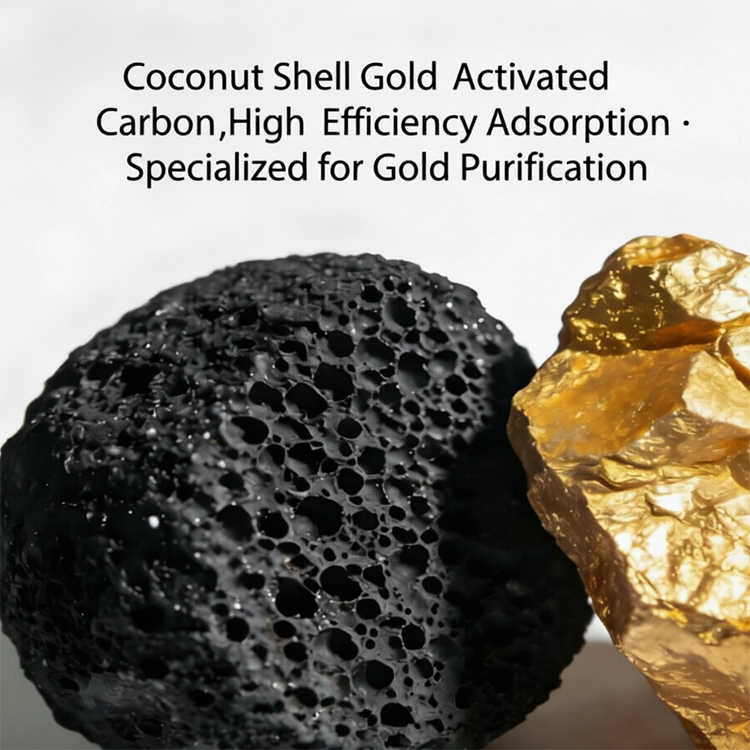
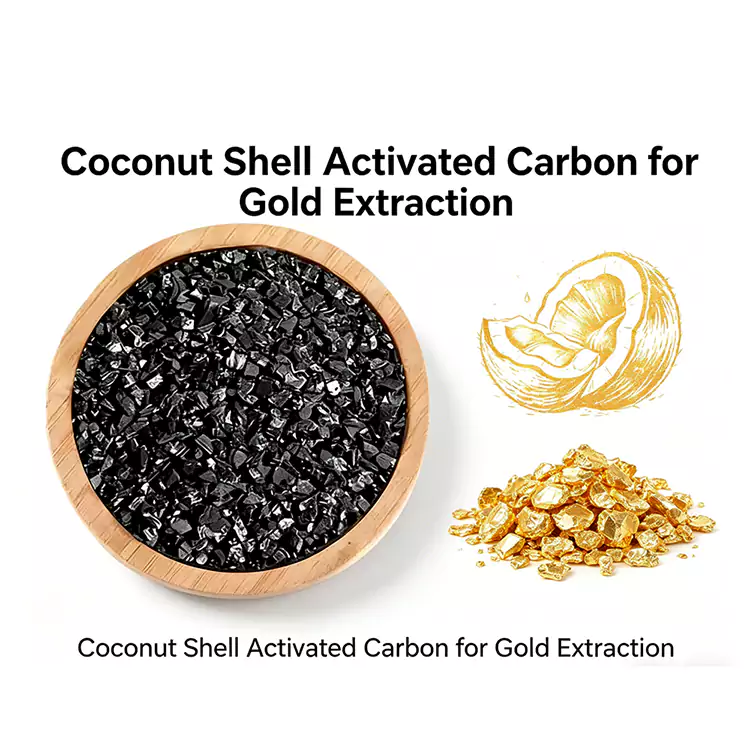
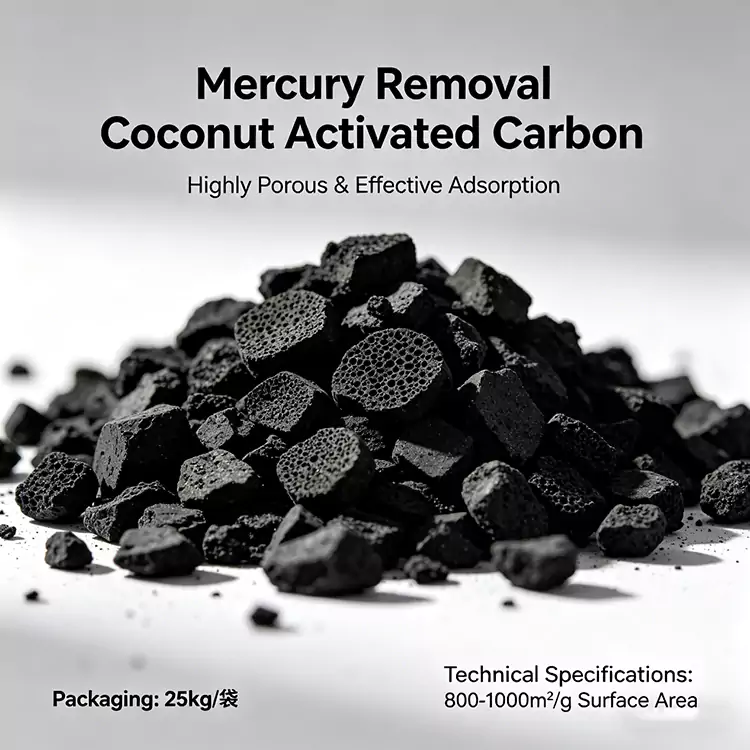
Why Choose our 1100 Iodine Value Coconut Shell Carbon for Gold Recovery?
Mid-scale gold mine operators and mineral processing contractors across Africa, Latin America and Southeast Asia face three persistent profit bottlenecks from mixed-spec activated carbon supplies: fluctuating iodine grades across batches create unstable gold loading and variable daily ore output; generic multi-purpose carbon carries high organic impurity content that triggers preg-robbing and dissolved gold loss; suppliers without fixed 1100 iodine stable production lines force repeated sample testing and delay bulk procurement cycles. WIMICA standardized 1100 Iodine Value Coconut Shell Carbon for Gold Recovery adopts constant-temperature steam activation technology with locked micropore structure, controlled organic impurity content and unified batch lab reports aligned with ASTM D4607 standards, stabilizing gold adsorption efficiency and cutting repetitive testing overhead for medium-scale gold extraction projects.
1. Locked 1100 iodine micropore structure raises unit gold loading capacity steadily
Many mixed-grade coconut carbon suppliers deliver batches ranging from 900–1080 iodine without uniform activation control. Low iodine variants feature underdeveloped micropores that limit Au(CN)₂⁻ complex storage capacity, forcing mines to extend pulp residence time and increase carbon dosage to hit target recovery rates. WIMICA dedicated kiln lines maintain consistent high-temperature steam activation to sustain stable 1100 iodine value across all production lots. Industry field trials prove fixed 1100 iodine media holds 8–12g gold per kilogram carbon under standard CIL pulp concentration, lowering total carbon consumption per ton ore compared to variable low-iodine mixed stock and reducing recurring carbon purchasing expenditure year-round.
2. Low organic impurity raw material eliminates preg-robbing gold dissolution loss
Carbon blended with unprocessed low-grade fruit shell fragments carries abundant soluble organics that compete with gold complexes for adsorption sites in cyanide pulp. Preg-robbing side reactions release captured gold back into tailings solution, lowering overall mine recovery yield by 5–10% without obvious equipment faults. WIMICA implements multi-stage raw shell washing and pre-carbonization to strip soluble organics before high-temperature activation. Post-leach tailings gold concentration remains consistently below industrial threshold limits, preventing invisible precious metal loss caused by competitive adsorption and locking stable monthly gold output for mid-size processing plants.
3. Single fixed spec cuts repeated lab trial & qualification lead times
Mines sourcing flexible mixed iodine carbon ranges must run independent adsorption cycle trials for every new shipment to calibrate tank residence and carbon dosage, occupying laboratory manpower and delaying production scheduling. WIMICA standardized 1100 iodine carbon carries unified test indicators including iodine value, hardness, ash and gold K-value on every batch COA. Processing plant engineers reuse proven tank operating parameters without repeated pre-production trials, shortening new material commissioning cycles and freeing lab staff for regular daily ore monitoring rather than carbon performance verification.
4. 100% pure coconut feedstock balances attrition resistance & adsorption performance
Blended coal or apricot shell mixed carbon compromises either abrasion resistance or micropore development; high attrition generates gold-laden fine carbon discharged with tailings, while thin-shell variants fail to sustain 1100 iodine after multiple regeneration cycles. WIMICA exclusively selects thick-wall mature coconut shells as sole feedstock, balancing ≥98% particle hardness and stable micropore structure after 50+ adsorption-regeneration loops. Less carbon fines form during pump circulation and screening, minimizing precious metal waste from broken granular media in continuous CIP/CIL circuits.
5. Multi-scene adaptability reduces separate consumable stocking pressure
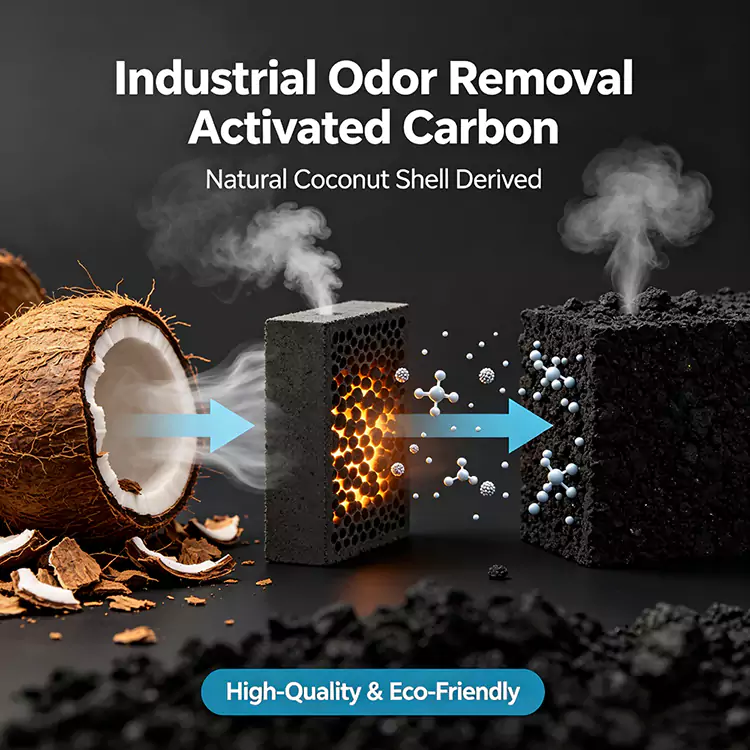
Mines running both gold extraction and auxiliary wastewater purification systems usually source two distinct carbon grades to match different adsorption targets, occupying dual warehouse SKUs and splitting purchase budgets. The fixed 1100 iodine coconut carbon simultaneously satisfies gold cyanide complex capture and heavy metal/organic wastewater impurity filtration demands. Plant procurement teams consolidate carbon orders into one single specification for both leaching and tailwater treatment, simplifying inventory management and unlocking volume bulk pricing discounts from unified mass shipments.
6. Full ASTM-compliant batch documents speed cross-border mine tender submissions
International mid-size mine tenders require consistent iodine, hardness and adsorption test data across all proposed carbon batches; suppliers unable to guarantee fixed 1100 iodine output fail pre-qualification screening due to unstable lab indicators. Each WIMICA shipment attaches standardized English COA complying with ASTM D4607 iodine testing methods, recording full activation process parameters and finished granular performance metrics. Engineering contractors attach unified carbon test archives directly to tender dossiers without supplementary third-party sample testing to meet client audit requirements.
Next :
-
Related News
- WIMICA Coconut Shell Activated Carbon: High-Efficiency, Sustainability, and Industry Excellence
- When inferior gold extraction carbon pushes mine TCO far above budget limits?
- How Does Coconut Shell Activated Carbon for Gold Mining Improve Gold Recovery Efficiency?
- How Does Coconut Shell Carbon for Water Filter Cartridge Improve Water Purification Performance?
- Why Pharmaceutical-Grade Coconut Shell Activated Carbon Is Essential for Modern Medical Sterile Systems?
- How Does Carbon-in-Leach Gold Recovery Improve Modern Gold Processing Efficiency?
Leave me a message