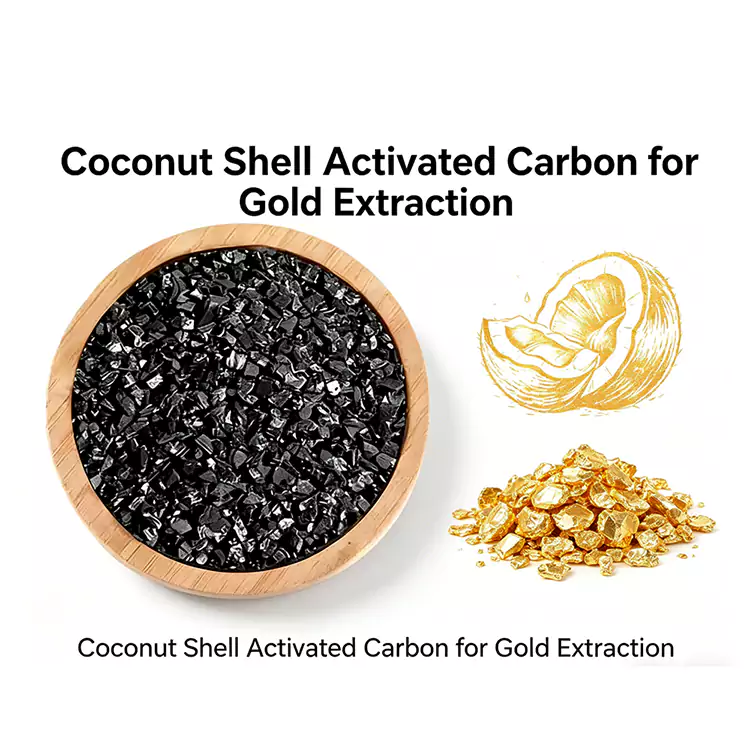
High-Efficiency Gold Recovery Coconut Shell Activated Carbon
Understanding Gold Recovery Coconut Shell Activated Carbon
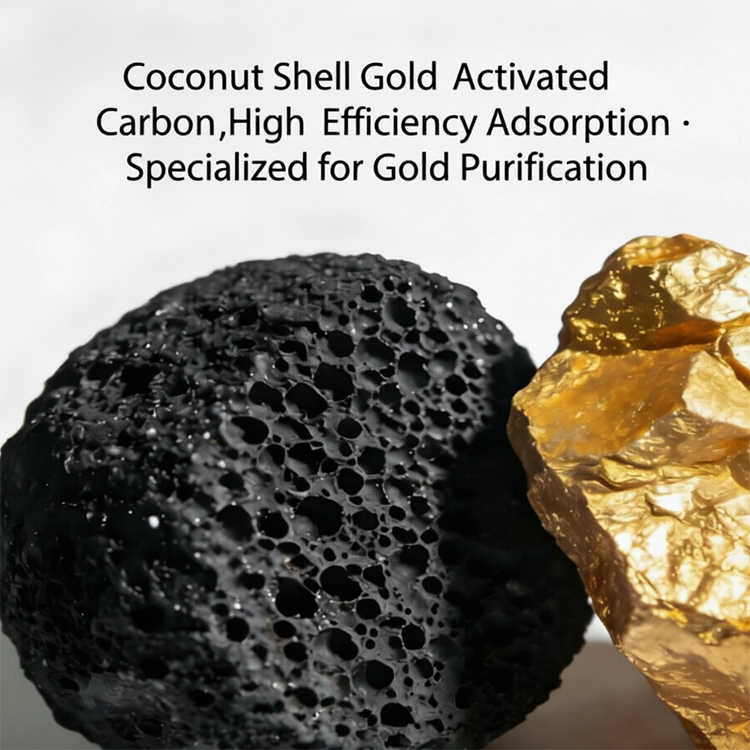
In the gold mining industry, the choice of activated carbon directly impacts recovery rates, operational costs and the overall profitability of a processing plant. Gold Recovery Coconut Shell Activated Carbon has become the gold standard for precious metal extraction from cyanide leach slurries, particularly in carbon-in-pulp (CIP) and carbon-in-leach (CIL) circuits. Its incredible hardness, high activity and superior adsorption kinetics come from a renewable and carefully selected raw material — coconut shells. At WIMICA, we harness decades of carbon production expertise to supply a product that consistently outperforms generic alternatives in the most demanding mining environments.
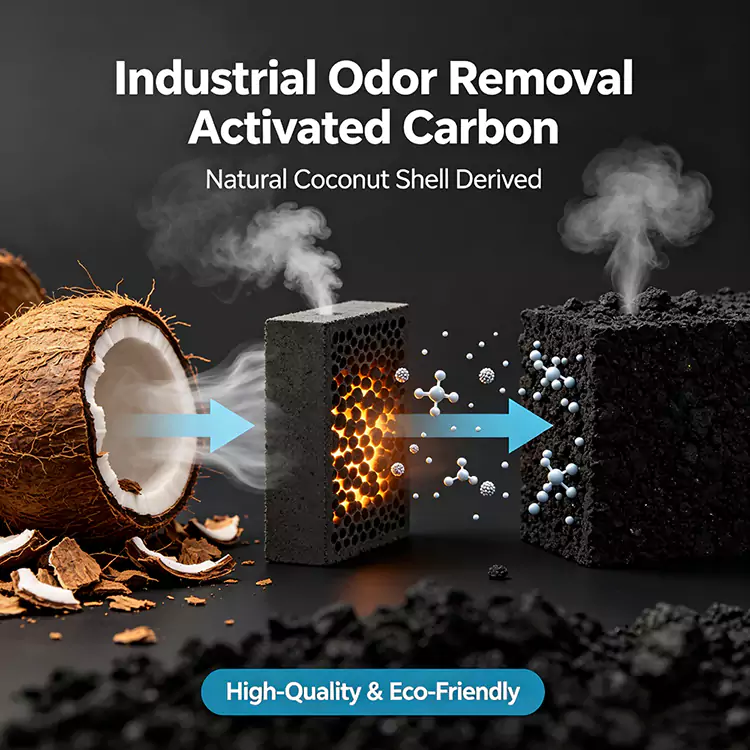
Unlike activated carbons produced from coal, wood or peat, coconut shell-based carbon delivers a unique combination of microporosity and mechanical strength. This translates directly into less carbon attrition, fewer fine losses, and a longer service life under aggressive pumping and agitation conditions. Whether you operate a large-scale gold mill or a small gravity-cyanidation plant, understanding the exact parameters of your carbon is essential. This guide explores every technical aspect of Gold Recovery Coconut Shell Activated Carbon while explaining why refiners and metallurgists around the world trust WIMICA as their long-term supply partner.
Our Gold Recovery Coconut Shell Activated Carbon series includes products such as Coconut Shell Activated Carbon for Gold Smelting, Carbon-in-Pulp Gold Extraction, and others.
The Role of Coconut Shell Activated Carbon in Gold Recovery
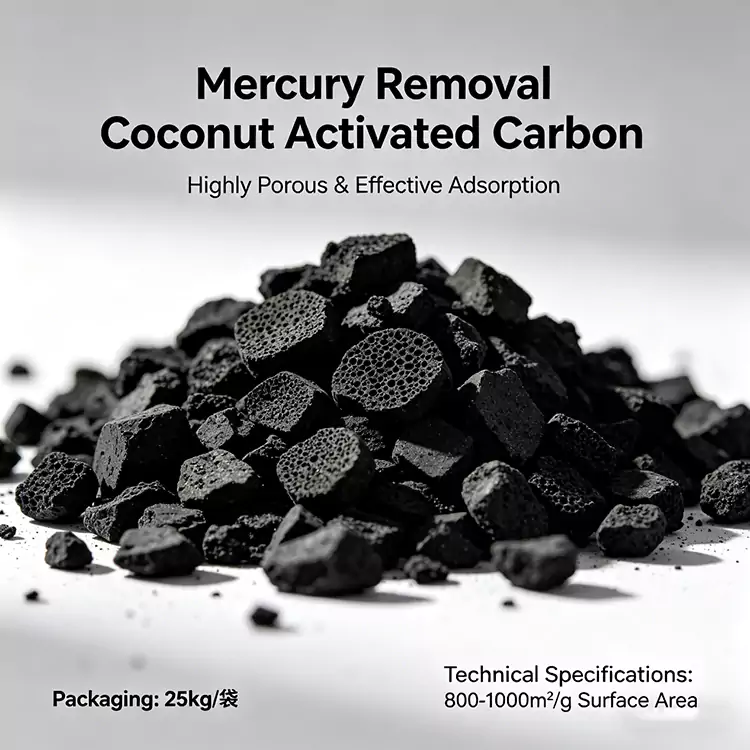
Modern gold recovery relies on the dissolution of gold in alkaline cyanide solutions to form a gold-cyanide complex. Activated carbon adsorbs this complex from the slurry, concentrating the gold onto the carbon surface. The loaded carbon is then separated, eluted, and finally sent for electrowinning or zinc precipitation. Coconut shell activated carbon is preferred because its tightly controlled pore structure predominantly falls within the micropore range (pores less than 2 nm diameter), which matches the size of the gold-cyanide ion complex almost perfectly. This results in higher loading capacities and faster adsorption rates compared to mesoporous or macroporous carbons.
Additionally, the physical ruggedness of coconut carbon minimizes mechanical breakdown. In a typical CIP circuit, carbon is continuously moved counter-current to the pulp flow and subjected to intense abrasion inside pumps, screens and agitators. Soft carbons generate excessive fines that carry gold out of the circuit with the tailings. High hardness values — characteristic of well-activated coconut shell carbons — keep carbon losses below 20 grams per ton of ore treated, directly preserving your bottom line.
Partnering with WIMICA for Your Carbon Supply
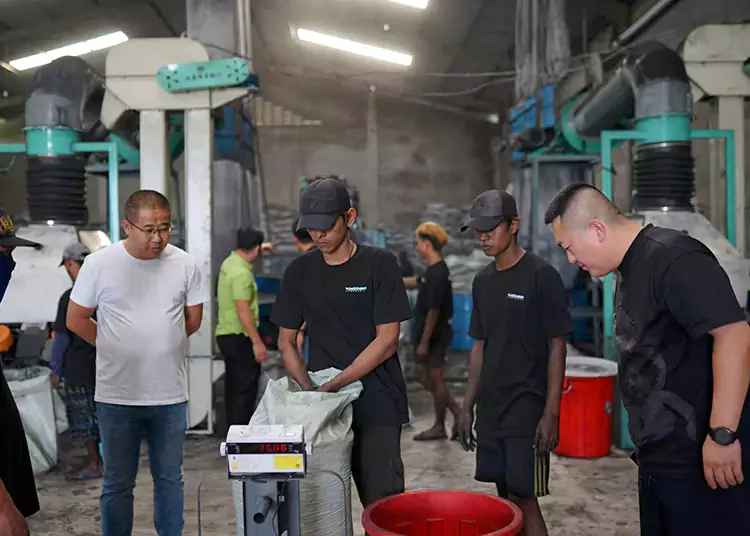
Choosing the right activated carbon supplier is a strategic decision that affects the stability of your entire gold recovery operation. WIMICA combines deep product knowledge with responsive logistics and on-going technical support. From the first consultation to post-delivery performance reviews, we treat every client as a partner. Our inventories are strategically located in regional warehouses to shorten lead times and we offer flexible contractual models — spot purchases, quarterly tenders and multi-year supply agreements with price formulae tied to raw material indexes.
Whether you are expanding a gold mine, optimizing an existing plant or simply seeking a reliable second source of certified coconut shell activated carbon, our team is ready to provide detailed quotations, pre-shipment samples and plant-specific recommendations. The combination of high iodine number, extreme hardness and low impurity levels positions WIMICA’s Gold Recovery Coconut Shell Activated Carbon as a premium solution that consistently drives down operating costs while lifting gold recovery percentages.
Contact WIMICA today to discuss your technical requirements or to request a trial shipment of our grade-specific carbon. Experience the difference that genuine coconut shell quality can make in your precious metal recovery circuits.
- View as
1050 Iodine Value Coconut Shell Carbon for Gold Recovery
Wimica (Hebei) Industrial Co., Ltd. offers 1050 Iodine Value Coconut Shell Carbon for Gold Recovery. With its high iodine value, this activated carbon is perfect for purifying gold solutions by effectively removing contaminants such as heavy metals, organic matter, and sulfur compounds. Whether you are working in gold extraction or environmental purification, this product delivers excellent adsorption performance and ensures high purity and yield.
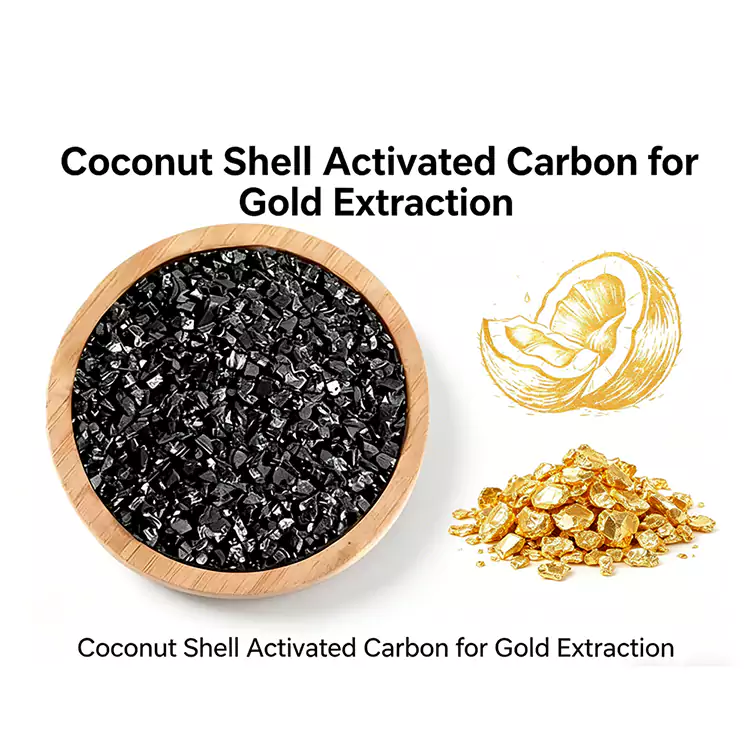
Coconut Shell Activated Carbon for Gold Smelting
Wimica (Hebei) Industrial Co., Ltd. specializes in Coconut Shell Activated Carbon for Gold Smelting, widely used for gold smelting applications. Our high-quality activated carbon offers superior adsorption properties, crucial for extracting gold from ore. With years of expertise, we provide efficient, eco-friendly solutions for gold smelting.
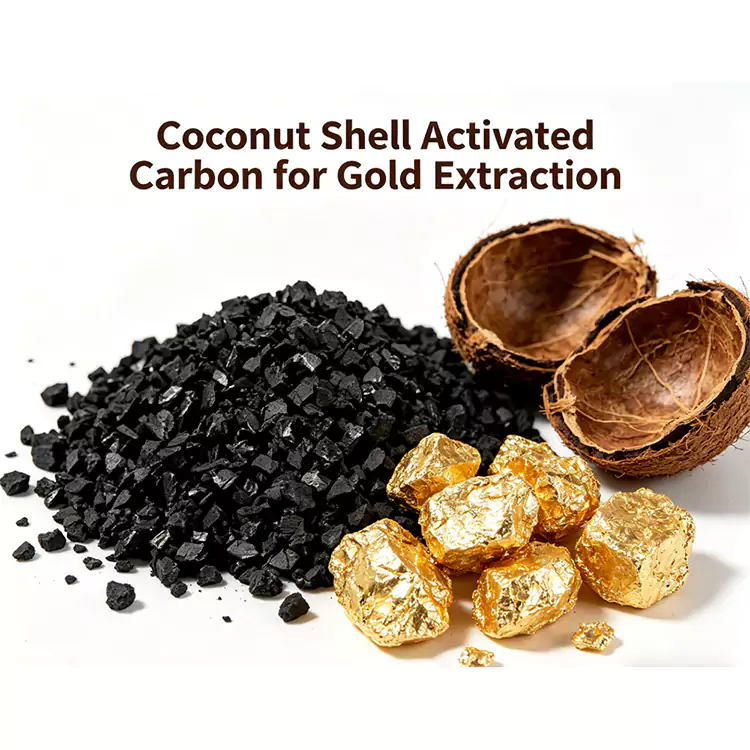
Coconut Shell Activated Carbon for Gold Mining
Wimica (Hebei) Industrial Co., Ltd specializes in producing high-quality Coconut Shell Activated Carbon for Gold Mining. Our activated carbon offers superior adsorption properties, providing efficient recovery of gold from ores. With years of expertise, we ensure environmentally-friendly, cost-effective solutions for our clients.
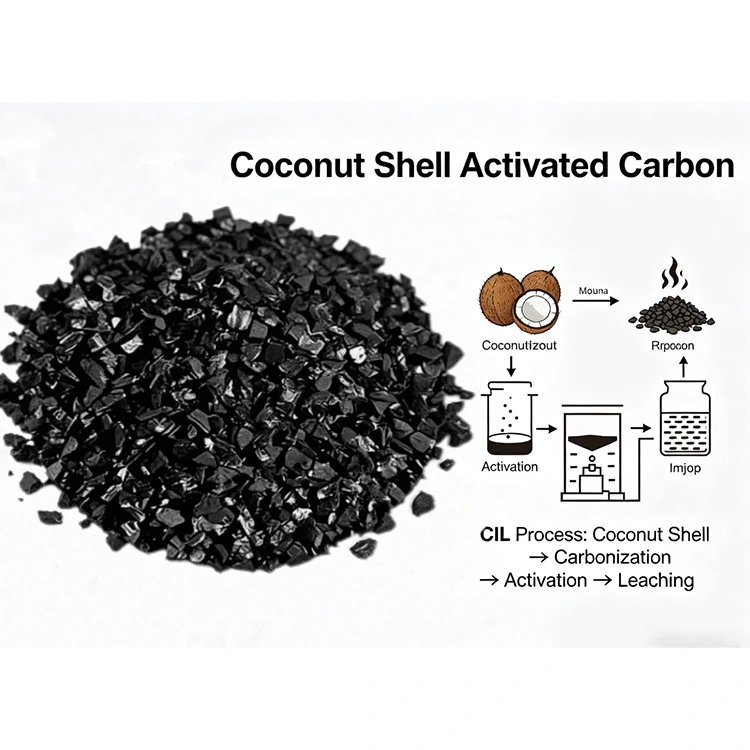
Carbon-in-Leach Gold Recovery
Wimica (Hebei) Industrial Co., Ltd. specializes in high-quality Carbon-in-Leach Gold Recovery, ideal for Carbon-in-Leach (CIL) gold recovery. Our activated carbon enhances gold extraction efficiency by adsorbing gold from leach solutions. With years of expertise, we offer eco-friendly and cost-effective solutions for gold mining operations.
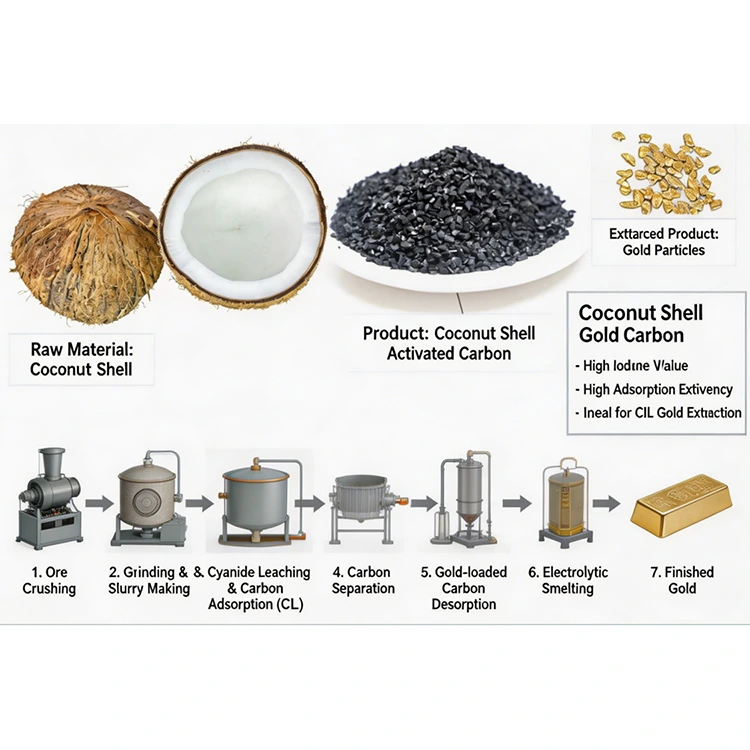
Carbon-in-Pulp Gold Extraction
Wimica (Hebei) Industrial Co., Ltd. offers high-quality Carbon-in-Pulp Gold Extraction. With superior adsorption capacity, it significantly enhances metal recovery rates and reduces costs, widely used in gold extraction and metallurgy for efficient, eco-friendly processes.
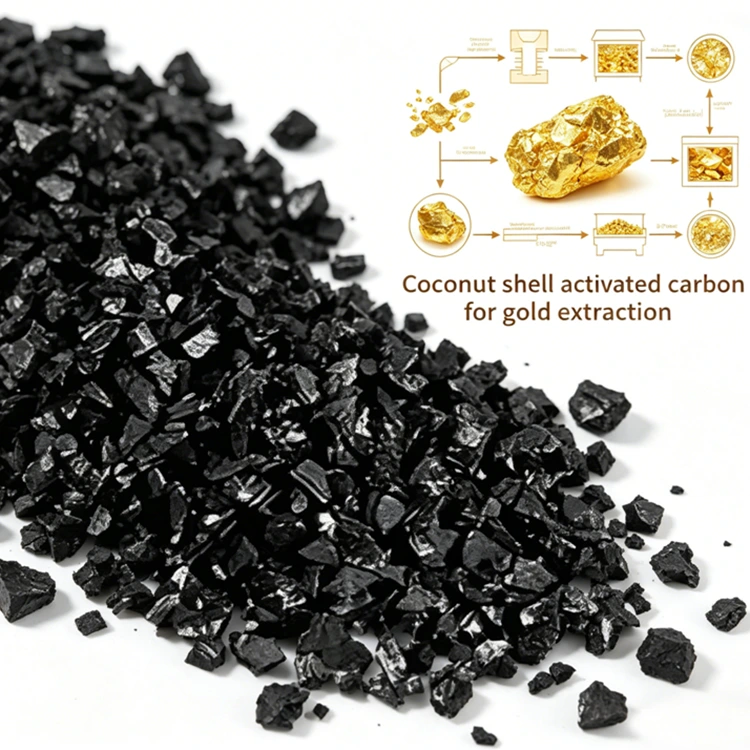
1300 Iodine Value Coconut Shell Carbon for Gold Recovery
Wimica (Hebei) Industrial Co., Ltd. offers 1300 Iodine Value Coconut Shell Carbon for Gold Recovery. With superior adsorption capacity, it is suitable for various ore liquids, significantly improving metal recovery rates while offering longer service life and reduced maintenance costs. Choose Wimica for more efficient and eco-friendly gold extraction.
As a reliable Gold Recovery Coconut Shell Activated Carbon manufacturer and supplier in China, we have custom options and volume discount pricing. Please just send us a quotation!