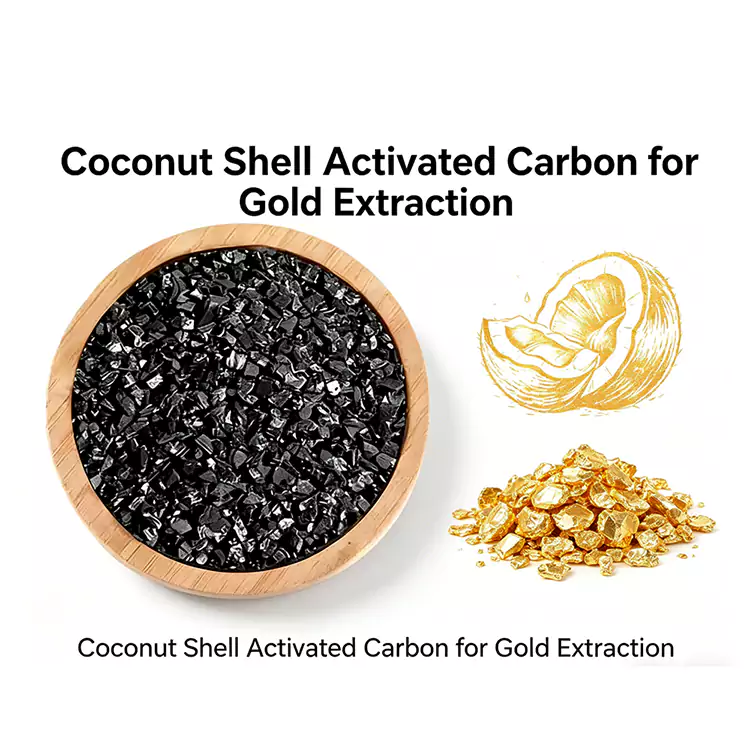
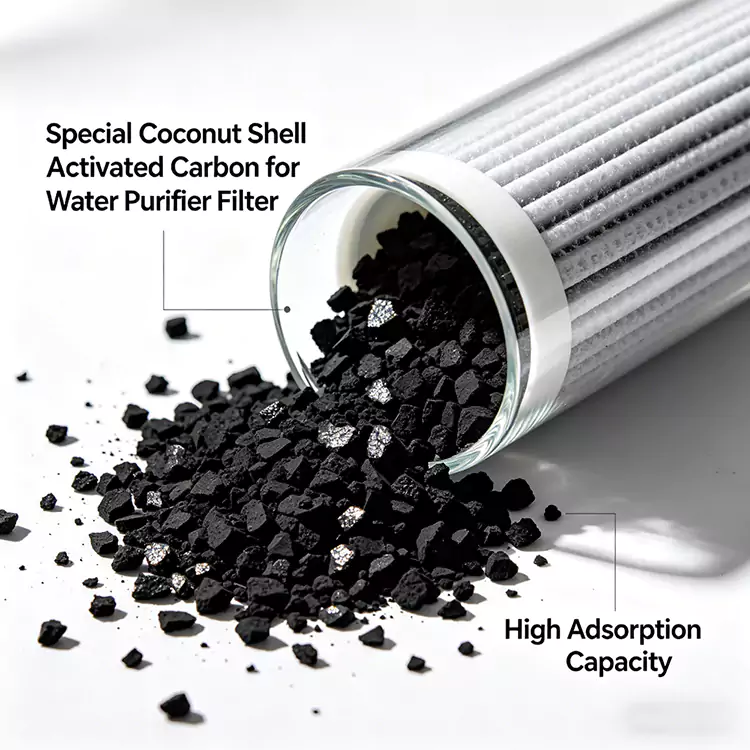
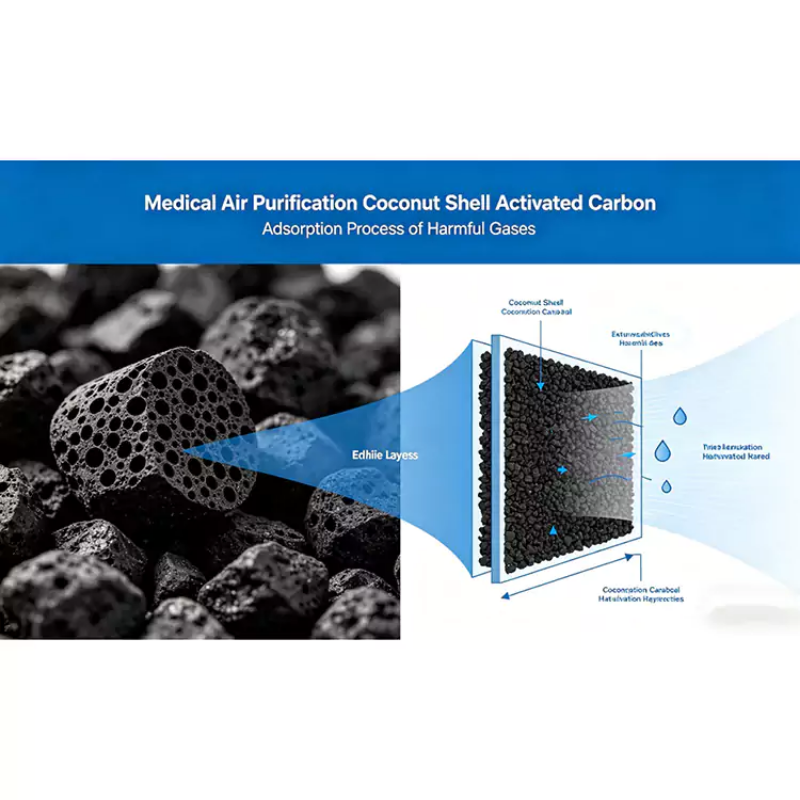
Why Is Gold Recovery Coconut Shell Activated Carbon Essential for Modern Gold Extraction?
Gold recovery coconut shell activated carbon has become one of the most reliable materials in modern gold extraction processes. Mining companies worldwide depend on its superior adsorption capacity, excellent hardness, low ash content, and outstanding wear resistance to improve gold recovery efficiency while lowering operational costs.
This comprehensive guide explains how coconut shell activated carbon works in gold recovery systems, why it outperforms many alternative materials, what technical specifications buyers should consider, and how to optimize performance in CIP, CIL, and CIC processes. Whether you are a mine operator, procurement manager, engineer, or distributor, this article will help you make informed decisions and avoid costly mistakes.
Table of Contents
- 1. What Is Gold Recovery Coconut Shell Activated Carbon?
- 2. Why Coconut Shell Material Is Preferred in Gold Mining
- 3. How Activated Carbon Recovers Gold
- 4. Main Gold Recovery Methods Using Activated Carbon
- 5. Key Technical Specifications Buyers Should Know
- 6. Advantages Compared With Coal-Based Activated Carbon
- 7. Common Problems in Gold Recovery Operations
- 8. How to Improve Adsorption Efficiency
- 9. Factors Affecting Activated Carbon Performance
- 10. Regeneration and Reactivation of Activated Carbon
- 11. Environmental and Economic Benefits
- 12. How to Choose a Reliable Supplier
- 13. Why Wimica (Hebei) Industrial Co., Ltd. Is Trusted
- 14. Frequently Asked Questions
- 15. Final Thoughts
1. What Is Gold Recovery Coconut Shell Activated Carbon?
Gold recovery coconut shell activated carbon is a high-performance adsorption material specifically designed for extracting gold from cyanide leaching solutions. It is produced from premium coconut shells through carbonization and activation processes that create an extensive pore structure ideal for adsorbing dissolved gold complexes.
Due to its high hardness and microporous structure, coconut shell activated carbon is especially suitable for precious metal recovery applications where durability and adsorption efficiency are critical.
| Property | Importance in Gold Recovery |
|---|---|
| High Hardness | Reduces carbon loss during operation |
| Large Surface Area | Enhances gold adsorption capacity |
| Low Ash Content | Minimizes contamination |
| Excellent Wear Resistance | Improves operational lifespan |
2. Why Coconut Shell Material Is Preferred in Gold Mining
Among various raw materials used for activated carbon production, coconut shell stands out because of its naturally dense structure. This density creates stronger activated carbon particles with excellent micropore distribution, making them ideal for adsorbing gold cyanide complexes.
Mining companies prefer coconut shell activated carbon because it offers:
- Higher gold loading capacity
- Lower plate loss
- Longer operational life
- Better regeneration performance
- Reduced replacement frequency
- Superior resistance to abrasion
Compared with wood-based or coal-based carbon, coconut shell activated carbon provides more stable performance under demanding mining conditions.
3. How Activated Carbon Recovers Gold
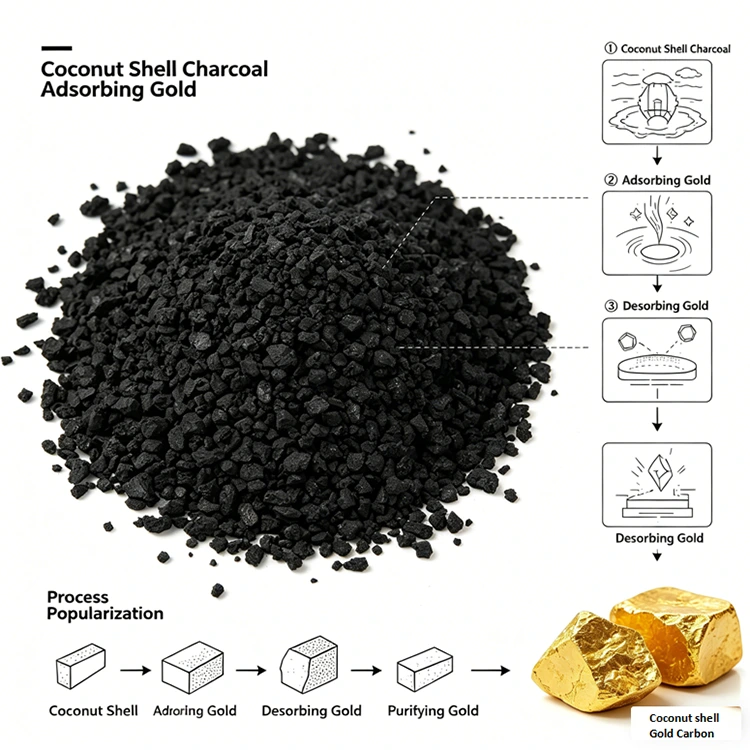
During gold cyanidation, gold dissolves into a cyanide solution and forms soluble gold-cyanide complexes. Activated carbon adsorbs these complexes through its extensive internal pore network.
The process typically follows these stages:
- Ore crushing and grinding
- Cyanide leaching
- Gold adsorption onto activated carbon
- Carbon separation
- Desorption and electrowinning
- Gold refining
The quality of activated carbon directly impacts adsorption speed, gold loading capacity, and overall recovery efficiency.
4. Main Gold Recovery Methods Using Activated Carbon
There are several industrial gold recovery methods that rely heavily on activated carbon technology.
| Method | Description | Advantages |
|---|---|---|
| CIP | Carbon in Pulp | High recovery efficiency |
| CIL | Carbon in Leach | Combines leaching and adsorption |
| CIC | Carbon in Column | Suitable for heap leaching |
Each method requires activated carbon with high mechanical strength and excellent adsorption characteristics.
5. Key Technical Specifications Buyers Should Know
When purchasing gold recovery activated carbon, understanding technical parameters is critical.
| Specification | Recommended Value |
|---|---|
| Iodine Number | 950-1100 mg/g |
| Hardness | 95% minimum |
| Moisture | Less than 5% |
| Ash Content | Less than 3% |
| Particle Size | 6×12 mesh or 8×16 mesh |
Selecting the correct specification ensures stable adsorption performance and reduced operational losses.
6. Advantages Compared With Coal-Based Activated Carbon
Many mining companies compare coconut shell activated carbon with coal-based alternatives before making purchasing decisions.
| Feature | Coconut Shell Carbon | Coal-Based Carbon |
|---|---|---|
| Hardness | Excellent | Moderate |
| Gold Adsorption | Very High | Average |
| Abrasion Resistance | Excellent | Lower |
| Regeneration Capability | Superior | Good |
Although coconut shell activated carbon may initially cost more, its longer lifespan and higher recovery efficiency often result in lower total operational costs.
7. Common Problems in Gold Recovery Operations
Mining operations frequently encounter challenges that reduce gold recovery efficiency.
- Carbon attrition and loss
- Low adsorption capacity
- Slow adsorption kinetics
- Organic fouling
- Poor regeneration performance
- High ash contamination
- Inconsistent particle size distribution
Using low-quality activated carbon can significantly increase these operational problems and reduce profitability.
Choosing high-performance coconut shell activated carbon helps minimize downtime and maintain consistent gold recovery rates.
8. How to Improve Adsorption Efficiency
Improving gold adsorption efficiency requires attention to both process control and activated carbon quality.
Key optimization strategies include:
- Maintaining proper cyanide concentration
- Controlling slurry pH levels
- Reducing organic contaminants
- Using proper carbon sizing
- Regular carbon screening
- Monitoring carbon activity
- Preventing excessive abrasion
Operators who carefully monitor these variables often achieve significantly higher gold recovery rates.
9. Factors Affecting Activated Carbon Performance
Several operational and environmental factors influence activated carbon efficiency during gold recovery.
| Factor | Impact |
|---|---|
| Temperature | Affects adsorption kinetics |
| pH Level | Influences gold complex stability |
| Organic Matter | Causes fouling |
| Particle Size | Impacts flow and adsorption rate |
| Mechanical Stress | Causes carbon degradation |
10. Regeneration and Reactivation of Activated Carbon
Activated carbon can lose adsorption capacity over time due to fouling and saturation. Regeneration processes help restore activity and reduce operational expenses.
Thermal reactivation is the most common method used in gold recovery operations. During this process, the carbon is heated under controlled conditions to remove contaminants and reopen blocked pores.
High-quality coconut shell activated carbon typically demonstrates superior regeneration stability, allowing multiple reuse cycles with minimal performance loss.
11. Environmental and Economic Benefits
Sustainable mining practices are increasingly important across global industries. Coconut shell activated carbon supports environmental goals because it is produced from renewable agricultural resources.
Main environmental and economic advantages include:
- Renewable raw material source
- Reduced waste generation
- Longer service life
- Lower replacement frequency
- Reduced transportation costs due to durability
- Lower overall gold recovery costs
These benefits make coconut shell activated carbon an attractive solution for both large-scale and small-scale mining operations.
12. How to Choose a Reliable Supplier
Selecting the right activated carbon supplier is just as important as choosing the right product specification.
A reliable supplier should provide:
- Consistent product quality
- Comprehensive technical support
- Strict quality inspection procedures
- Stable global supply capability
- Custom specification options
- Competitive pricing
- Fast delivery schedules
Buyers should also request laboratory test reports and evaluate the supplier’s experience in gold recovery applications.
13. Why Wimica (Hebei) Industrial Co., Ltd. Is Trusted
Wimica (Hebei) Industrial Co., Ltd. specializes in supplying high-quality coconut shell activated carbon products for gold recovery applications. The company focuses on delivering reliable adsorption performance, excellent hardness, and consistent product quality for mining operations worldwide.
By combining advanced manufacturing technology with strict quality control systems, Wimica (Hebei) Industrial Co., Ltd. provides activated carbon solutions that help mining companies improve gold recovery efficiency while reducing operational losses.
The company supports customers with:
- Customized specifications
- Professional technical consultation
- Stable export supply
- Fast logistics support
- Strict quality inspection
- Competitive industrial solutions
14. Frequently Asked Questions
Q1: Why is coconut shell activated carbon ideal for gold recovery?
Its high hardness, low ash content, and excellent microporous structure make it highly effective for adsorbing gold cyanide complexes.
Q2: What mesh size is commonly used in gold recovery?
Common mesh sizes include 6×12 and 8×16 depending on the recovery system design.
Q3: Can activated carbon be regenerated?
Yes. Thermal reactivation allows activated carbon to be reused multiple times while maintaining strong adsorption performance.
Q4: What causes activated carbon fouling?
Organic compounds, oils, suspended solids, and certain minerals can block pores and reduce adsorption efficiency.
Q5: How can operators reduce carbon loss?
Using high-hardness coconut shell activated carbon and minimizing excessive mechanical stress can significantly reduce carbon attrition.
15. Final Thoughts
Gold recovery coconut shell activated carbon plays a critical role in modern gold extraction industries. Its superior adsorption capability, exceptional durability, and cost-saving advantages make it one of the most effective materials for CIP, CIL, and CIC operations.
Mining companies seeking stable performance and long-term operational efficiency should carefully evaluate activated carbon quality, supplier reliability, and technical specifications before purchasing.
With growing demand for efficient and sustainable mining solutions, high-quality coconut shell activated carbon will continue to be a key material in gold recovery operations worldwide.
Wimica (Hebei) Industrial Co., Ltd. is committed to providing premium coconut shell activated carbon solutions for efficient gold recovery applications worldwide.
Contact us today to discuss your project requirements, request technical support, or receive a competitive quotation for your mining operation.
Related News
- WIMICA Coconut Shell Activated Carbon: High-Efficiency, Sustainability, and Industry Excellence
- Why Choose our 1100 Iodine Value Coconut Shell Carbon for Gold Recovery?
- When inferior gold extraction carbon pushes mine TCO far above budget limits?
- How Does Coconut Shell Activated Carbon for Gold Mining Improve Gold Recovery Efficiency?
- How Does Coconut Shell Carbon for Water Filter Cartridge Improve Water Purification Performance?
- Why Pharmaceutical-Grade Coconut Shell Activated Carbon Is Essential for Modern Medical Sterile Systems?
Leave me a message